Wiadomości branżowe


Skontaktuj się
+86-0523-83274900
+86-151 9064 3365
A Złącze węża strażackiego Machino to japońskie szybkozłącze stosowane w wężach strażackich, zdefiniowane w normie JIS B9911. Składa się z zazębiających się części męskich i żeńskich, które łączą się natychmiastowo, wpychając element męski w złącze żeńskie, tworząc bezpieczne, szczelne uszczelnienie dla systemów dostarczania wody gaśniczej. Złącza te są szeroko stosowane w Japonii, w zastosowaniach morskich i na rynkach międzynarodowych wymagających sprzętu przeciwpożarowego zgodnego z japońskimi standardami.
Złącza Machino charakteryzują się niesymetryczną konstrukcją szybkozłącza, składającą się z części męskiej i żeńskiej. Złącze męskie jest wciskane w złącze żeńskie, aby je zablokować na miejscu, przy czym koniec męski dociska szczęki sprzęgła wewnątrz złącza żeńskiego na zewnątrz, aby utworzyć bezpieczne połączenie. Aby zwolnić, należy wcisnąć płytkę elementu męskiego, co umożliwia natychmiastowe odłączenie bez użycia narzędzi. Ten mechanizm typu „push-and-lock” umożliwia szybkie użycie podczas akcji gaśniczych.
Złącza do węży strażackich Machino można podzielić na dwa typy w zależności od konstrukcji rury wydechowej do mocowania węża. Końcówki ząbkowane wymagają założenia węża na zewnętrzną stronę rury wydechowej i zabezpieczenia go metodą kompresji pierścienia aluminiowego. Żebrowane końcówki tylne również umieszczają wąż na zewnętrznej stronie rury wydechowej, ale do połączenia wykorzystuje się metodę wiązania drutem. Obie konstrukcje zapewniają bezpieczne zamocowanie węża w warunkach wysokiego ciśnienia.
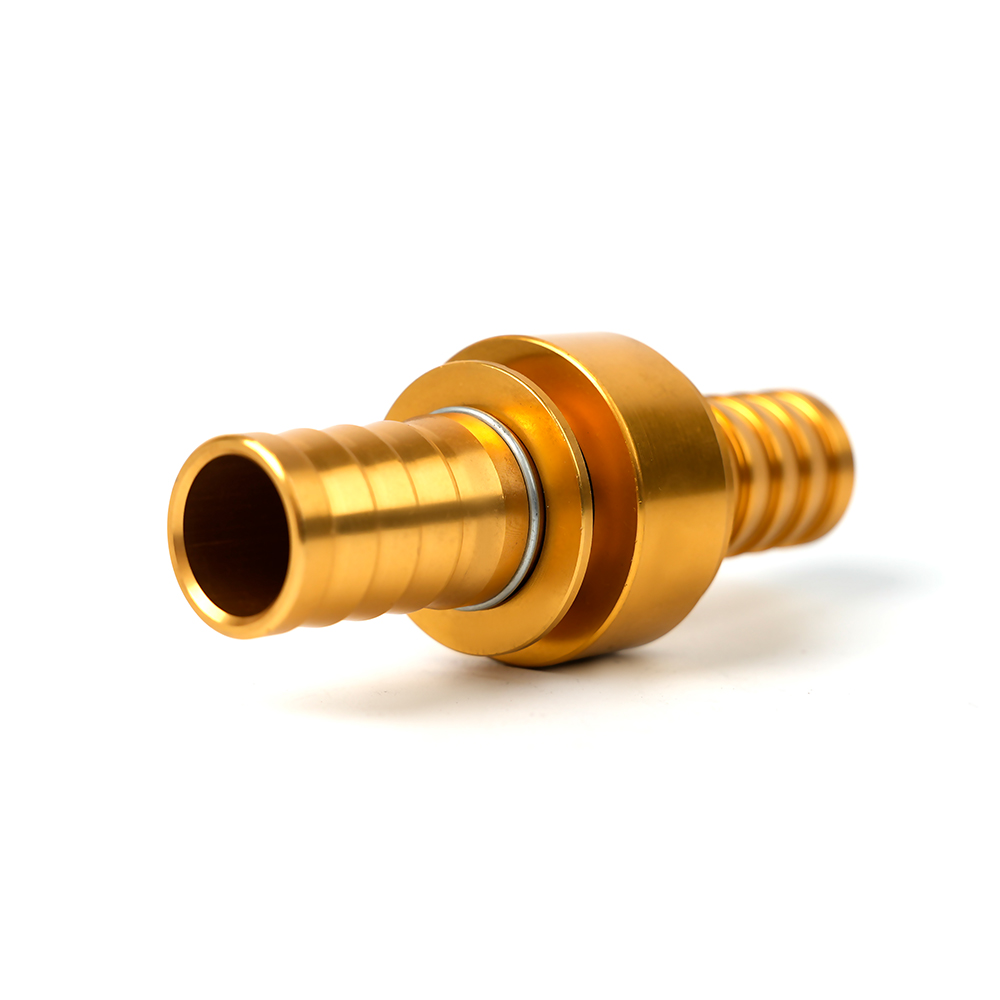
Wszystkie złącza Machino są produkowane zgodnie z japońską normą przemysłową JIS B9911, zapewniając spójność wymiarową i interoperacyjność. Norma określa dokładne wymiary główek sprzęgów, średnic końcówek i mechanizmów blokujących, aby zagwarantować zgodność między producentami i zastosowaniami.
Złącza Machino są produkowane w wielu standardowych rozmiarach, dostosowanych do różnych średnic węży. Typowe specyfikacje obejmują średnice 25 A (1 cal), 40 A (1,5 cala), 50 A (2 cale), 65 A (2,5 cala) i 75 A (3 cale). Każdy rozmiar odpowiada określonym kodom IMPA do identyfikacji dostaw morskich, takim jak 330854 do 330858 dla wariantów mosiężnych.
Poniższa tabela podsumowuje standardowe rozmiary sprzęgieł Machino:
| Oznaczenie rozmiaru | Średnica nominalna | Typowe zastosowanie |
|---|---|---|
| 25A | 1 cal (25mm) | Węże do lekkich zastosowań, drobny sprzęt |
| 40A | 1,5 cala (40 mm) | Standardowe węże strażackie, do użytku morskiego |
| 50A | 2 cale (50 mm) | Główne linie gaśnicze |
| 65A | 2,5 cala (65 mm) | Dostarczanie dużej ilości wody |
| 75A | 3 cale (75 mm) | Przemysłowe systemy wielkoskalowe |
Sprzęgła Machino są produkowane głównie z mosiądzu lub stopów aluminium. Warianty mosiądzu zapewniają doskonałą odporność na korozję, szczególnie ważne w środowiskach morskich i słonowodnych, gdzie brąz i mosiądz morski zapobiegają korozji w słonej wodzie i zwiększają tolerancję na ekstremalne warunki pogodowe. Sprzęgła ze stopu aluminium stanowią lekką alternatywę odpowiednią do zastosowań, w których korzystna jest redukcja masy, chociaż zachowują równoważne ciśnienie znamionowe.
Standardowe złącza Machino są przystosowane do maksymalnego ciśnienia roboczego 16 barów (około 232 psi). Każde łączniki przed dostawą poddawane są testom korpusu pod ciśnieniem 24 barów, aby zapewnić integralność strukturalną. Wszystkie produkty są dokładnie testowane w celu sprawdzenia szczelności i wytrzymałości mechanicznej pod ciśnieniem.
Jakość Sprzęgła Machino są produkowane w rygorystycznym procesie produkcyjnym, obejmującym ciągnienie, przygotowanie formy, odlewanie lub kucie, obróbkę CNC, montaż, testowanie i kontrolę jakości. Złącza kute zapewniają doskonałą wytrzymałość i trwałość w porównaniu z alternatywnymi rozwiązaniami odlewanymi, a także gładki wygląd i wysoką wytrzymałość na rozciąganie, niezbędną dla niezawodności podczas gaszenia pożarów.
Złącza do węży Machino służą jako krytyczne urządzenia zaopatrzenia w wodę połączone z sieciami systemów przeciwpożarowych wewnątrz statków. Umożliwiają sprawne i szybkie podłączenie do zaworów, zapewniając w ten sposób wodę do gaszenia pożaru. Kompletny zestaw składa się z dwóch części: jednej połączonej z zaworem i drugiej połączonej z dyszami. Po uruchomieniu, otwarcie zaworu powoduje przeniesienie wody przez wąż do dyszy w celu ugaszenia pożaru. Złącza te są instalowane na statkach, w ogrodach i w portach, gdzie wymagany jest sprzęt zgodny ze standardami japońskimi.
Poza zastosowaniami morskimi złącza Machino są stosowane w przemysłowych systemach ochrony przeciwpożarowej, miejskich strażach pożarnych korzystających z japońskich standardów sprzętu oraz obiektach wymagających kompatybilności z importowanymi z Japonii urządzeniami przeciwpożarowymi. Złącza łączą węże z hydrantami, pompami strażackimi, trójnikami, złączami syjamskimi i innymi urządzeniami wężowymi.
Podczas gdy złącza Storz to symetryczne konstrukcje hermafrodytyczne szeroko stosowane w Europie, Australii i Stanach Zjednoczonych, złącza Machino są wyraźnie japońskie i zawierają elementy męskie i żeńskie. Złącza Storz łączą się za pomocą ćwierćobrotowego zamknięcia bagnetowego z identycznymi połówkami, podczas gdy złącza Machino wykorzystują mechanizm push-to-connect z oddzielnymi częściami męskimi i żeńskimi. Obydwa oferują możliwości szybkiego łączenia, ale złącza Machino są szczególnie wymagane w przypadku systemów przeciwpożarowych zgodnych z japońskim standardem.
Złącza natychmiastowe, powszechne w systemach przeciwpożarowych w Wielkiej Brytanii i Wspólnocie Narodów, są wyposażone w tłoki sprężynowe umożliwiające szybkie mocowanie. Złącza Machino różnią się specyficznym mechanizmem blokującym i standardami wymiarowymi, chociaż oba zapewniają szybkie połączenie bez użycia narzędzi. Norma JIS B9911 zapewnia, że złącza Machino zachowują unikalne specyfikacje, które uniemożliwiają wymienność z innymi typami szybkozłączy.
Właściwa konserwacja zapewnia niezawodność sprzęgła Machino w sytuacjach awaryjnych. Po każdym użyciu złączki należy przepłukać czystą wodą w celu usunięcia zanieczyszczeń. Zaleca się regularne kontrole w odstępach nieprzekraczających jednego miesiąca, aby sprawdzić wszystkie części sprzęgła, w tym szczęki sprzęgła i pierścienie uszczelniające. Smarowanie śrub i sprężyn smarem na bazie litu zapewnia płynną pracę i zapobiega korozji.
Gumowe pierścienie uszczelniające w złączach Machino wymagają okresowej kontroli i wymiany, aby zachować szczelność. Uszkodzone lub zużyte uszczelki należy natychmiast wymienić na części zalecane przez producenta. Modułowa konstrukcja pozwala na łatwą wymianę komponentów bez całkowitej wymiany sprzęgła, wydłużając żywotność i zmniejszając koszty konserwacji.
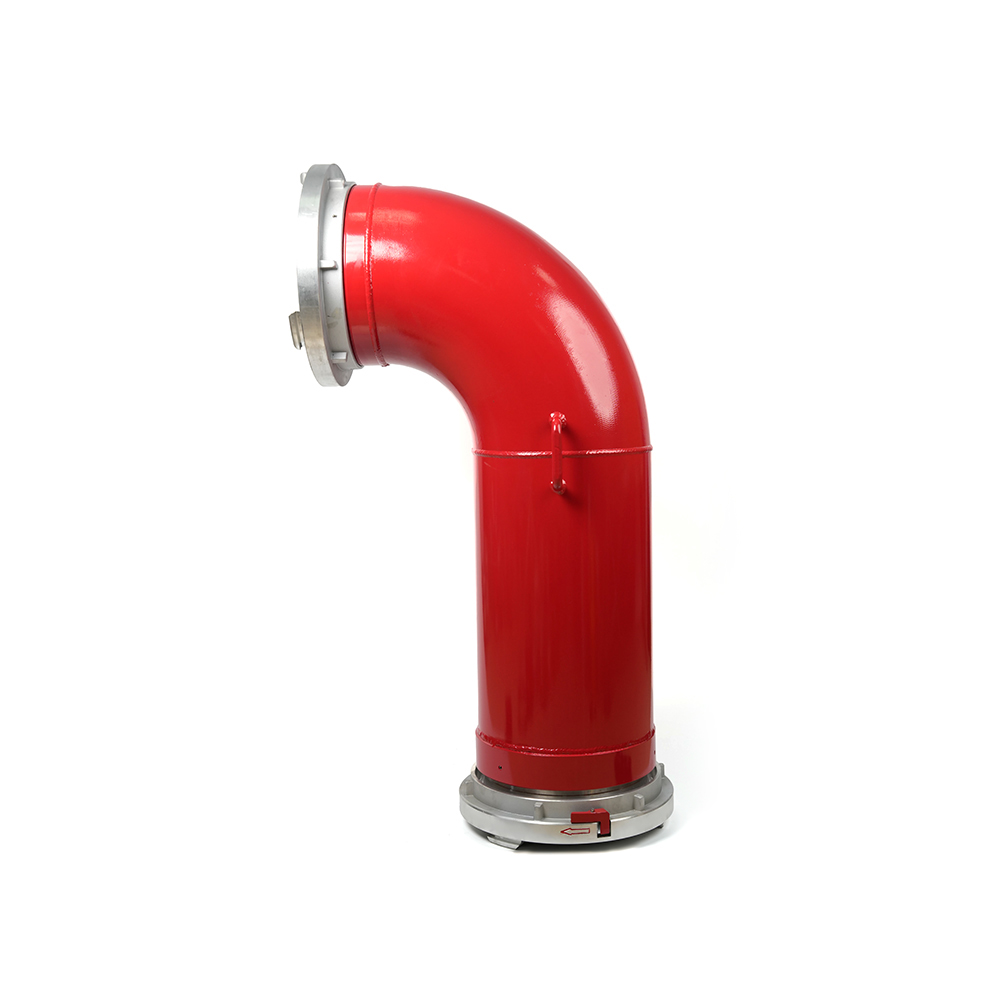 Growated Fire Elbow-Storz
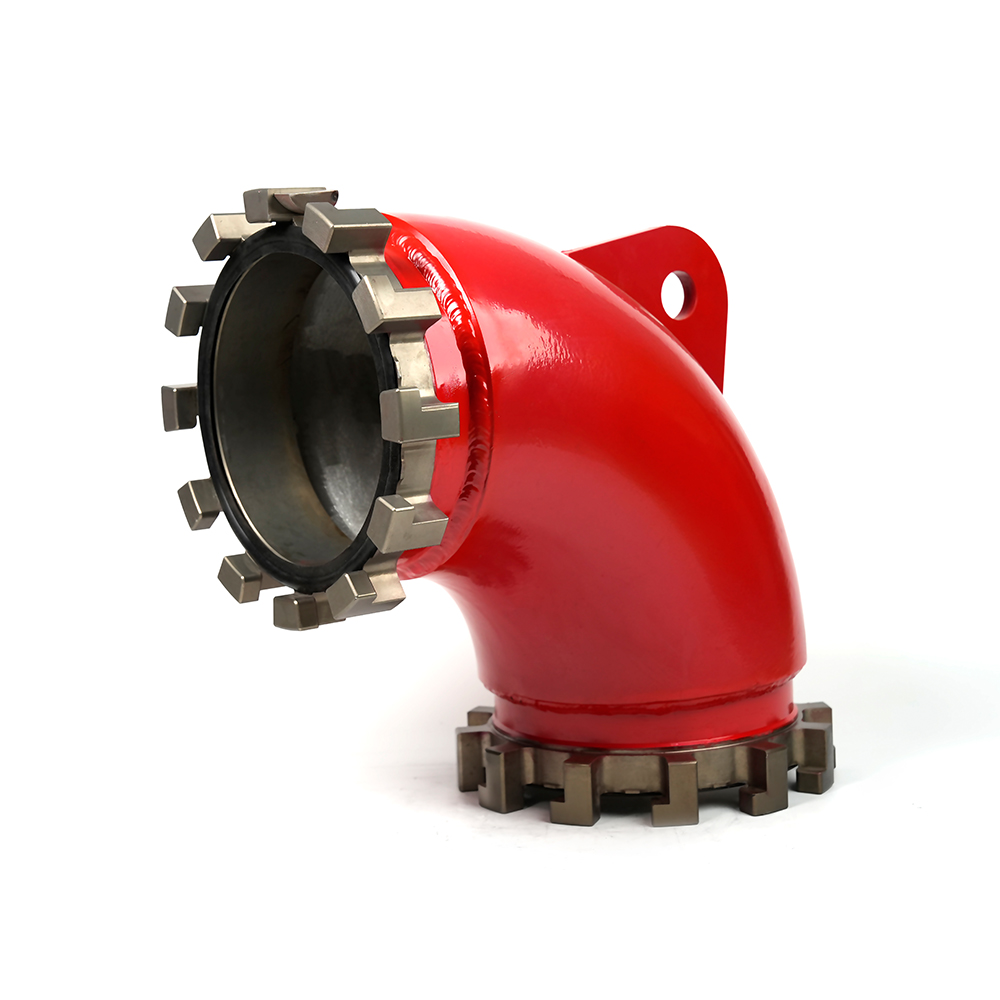 Growated Fire Elbow-Multi-Tooth
 Wielofunkcyjny dystrybutor węża przeciwpożarowego
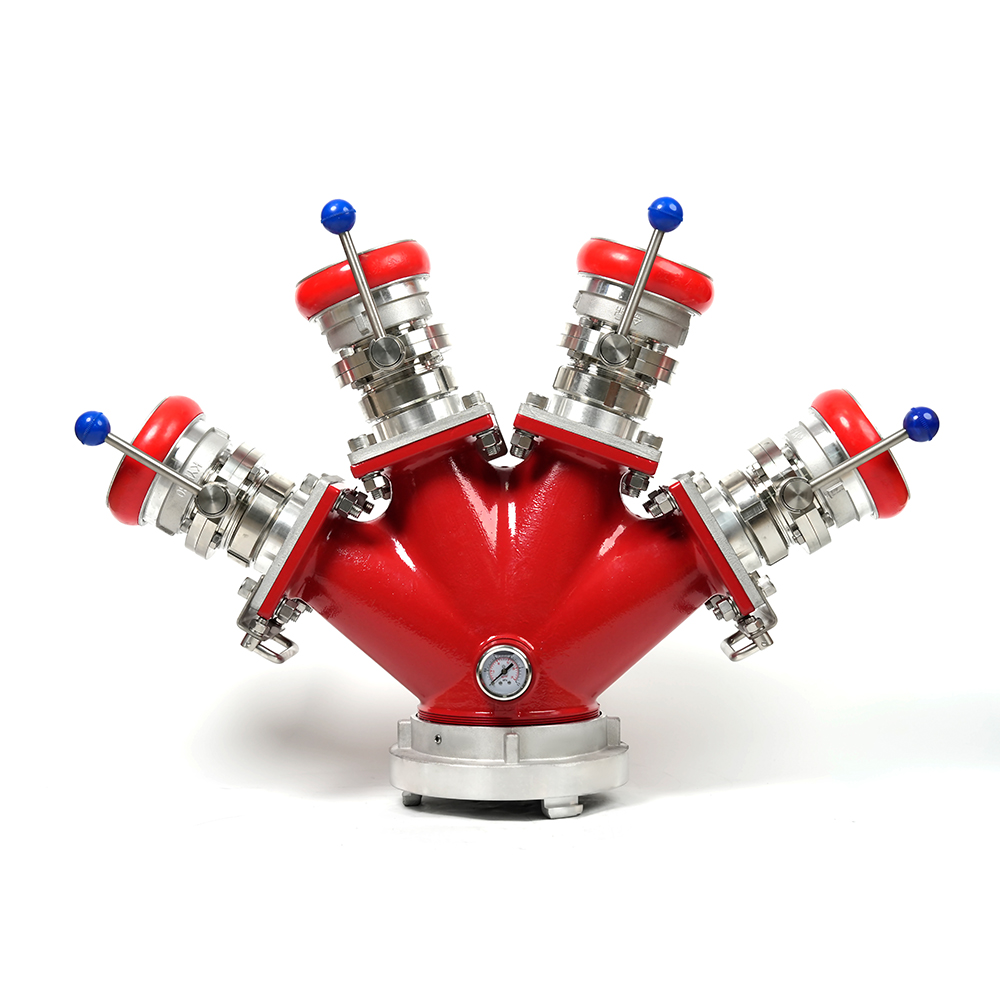 Blokowanie czterokierunkowego dystrybutora węża pożarowego
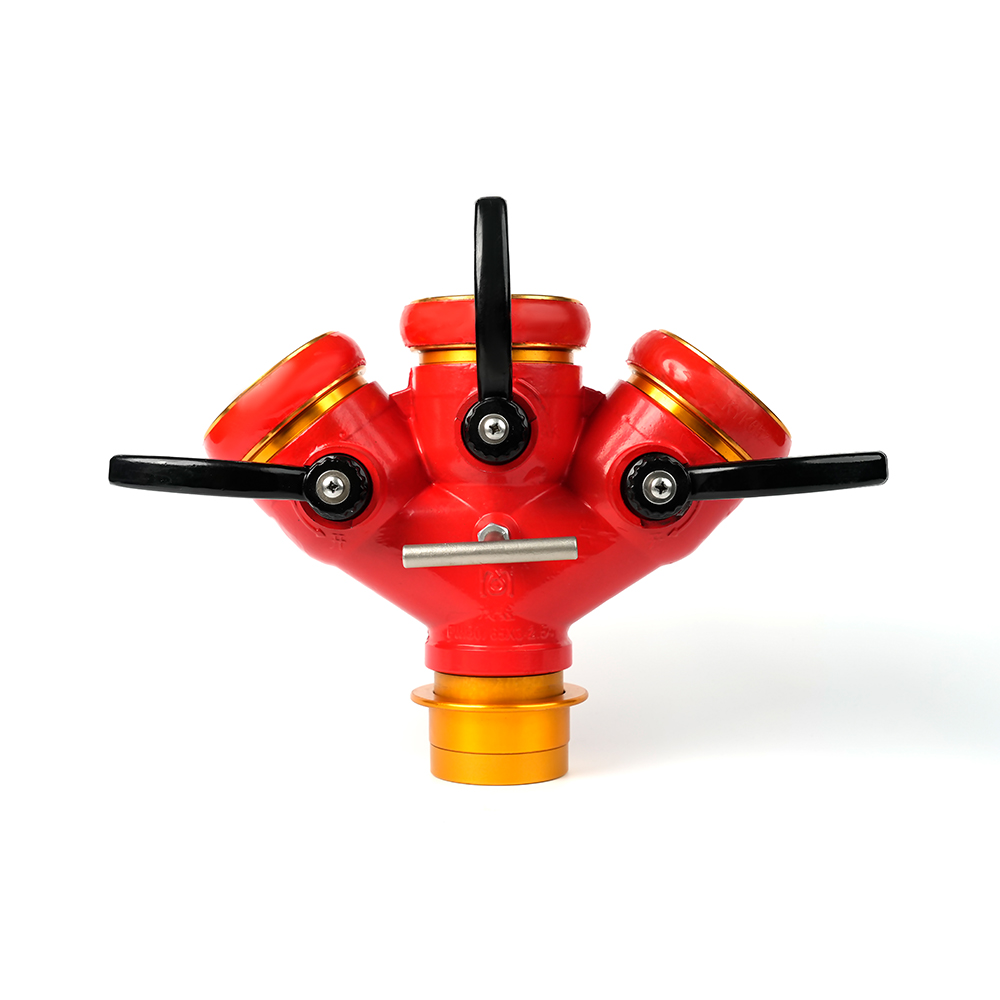 Blokowanie trójstronnego dystrybutora węża pożarowego
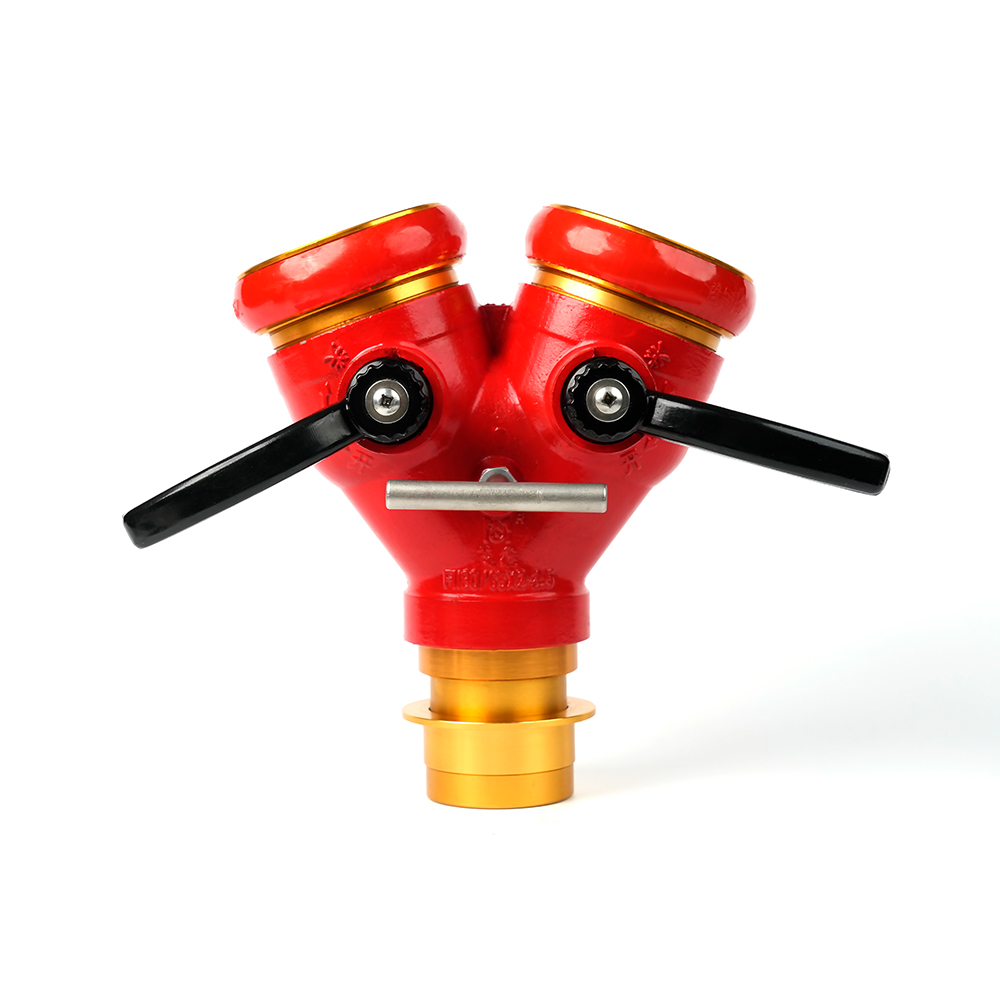 Blokowanie dwukierunkowego dystrybutora węża pożarowego
 Dysza prosta
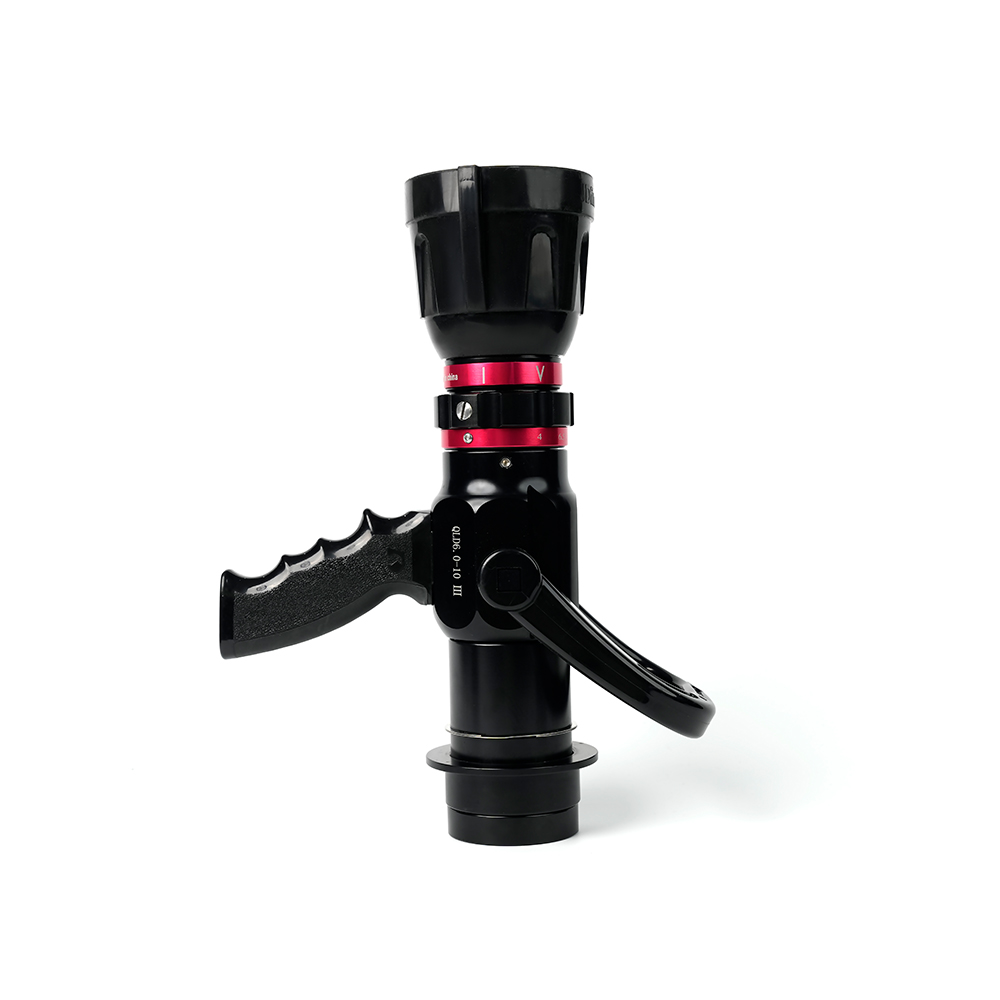 Regulowany machino dyszy
 Regulowany story dyszy
 Sprzężenia adaptera Storz - wielokrotnie zębowe
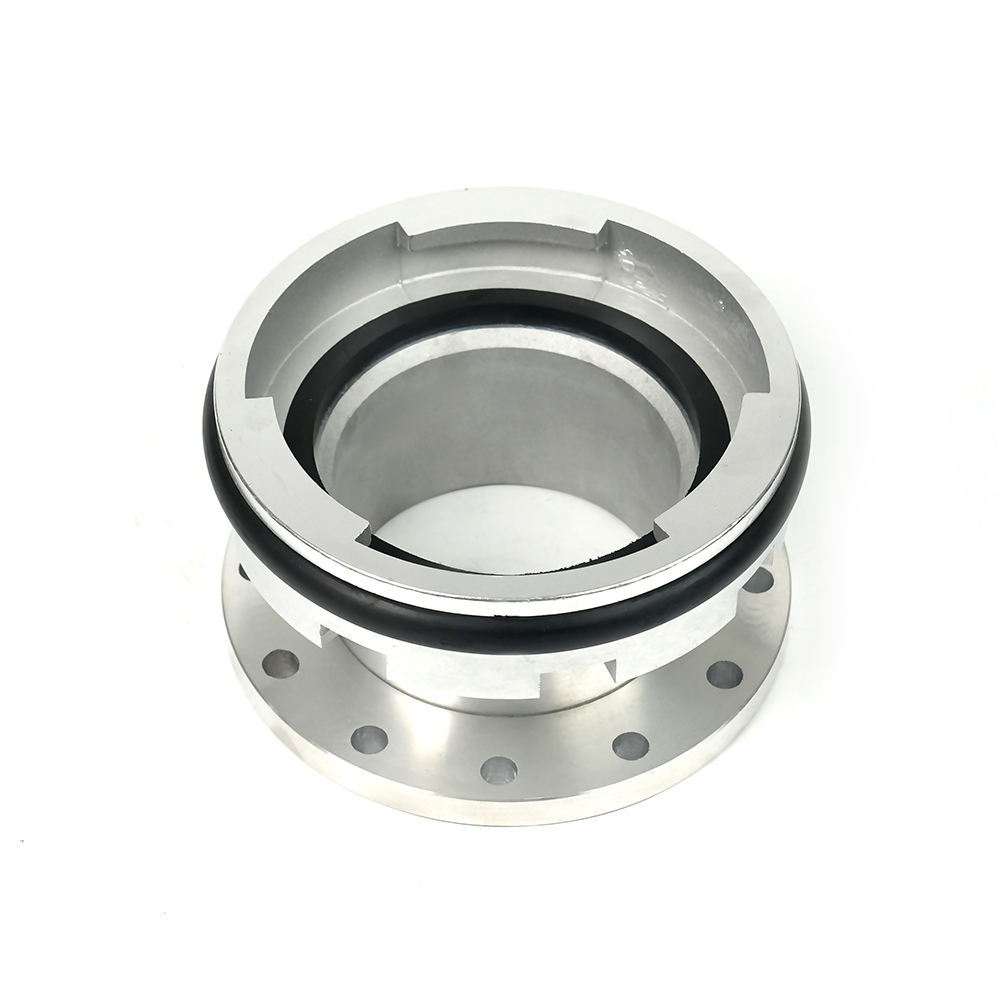 Sprzęty adaptera machino - kołnierz
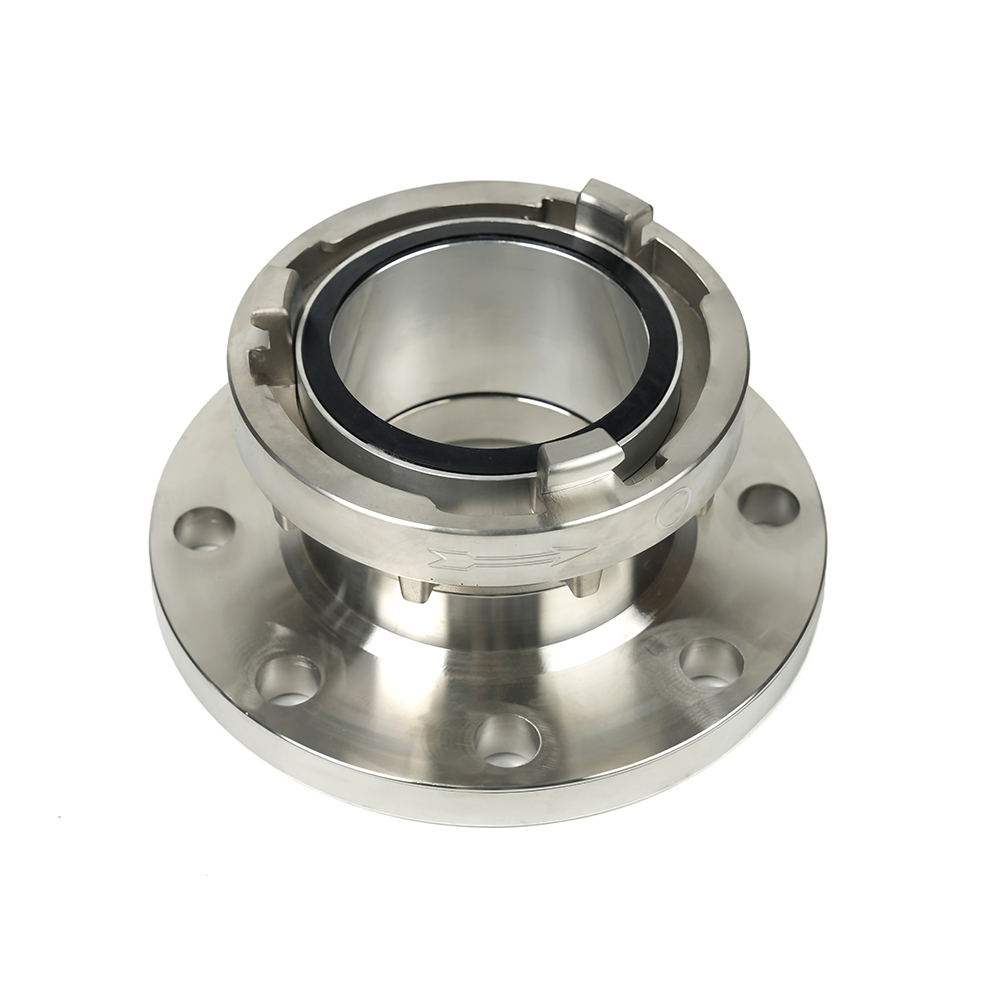 Sprzęty adaptera Storz - kołnierz

 Numer kontaktowy
+86-0523-83274900
+86-151 9064 3365
 Pozwól naszemu zespołowi zaoferować rozwiązania celne.
 Adres firmy
West Side of Hongxing Middle Road, Lincheng Street, strefa rozwoju, Xinghua City, prowincja Jiangsu, Chiny
Copyright @Jiangsu Jinding Fire Protection Technology Co., Ltd. All rights reserved
